THURSDAY 29 JANUARY 10:00-15:30 New York time
Session 1: INTERPRETATION & IMPLEMENTATION: EMPLOYING STANDARDS TO DIGITIZATION WORKFLOWS
To kick off digiTIPS 2026, we focus on the importance of imaging standards and strategies to maintain image quality and consistency. Presentations address many aspects of imaging standards such as color management, project management, and training and quality control, among others. This session is designed to be accessible to all levels of professionals working in different aspects of cultural heritage digitization.
CONFIRMED SPEAKERS AND TOPICS (additional speakers/topics added as confirmed)
10:00 - 10:05
 Introduction to digiTIPS 2026 by the Program Chairs,
Sami Wright O'Connell
Introduction to digiTIPS 2026 by the Program Chairs,
Sami Wright O'Connell, digital imaging specialist, Boston University, and
Harrison Walker, manager of studio operations, Harvard Art Museums
 It Takes a Village–FADGI as Community
,
Hana Beckerle, digital imaging specialist, Library of Congress
Abstract: This talk begins with a brief look at standards and guidelines and why they’re important in cultural heritage digitization. The presenters then discuss the importance of community among digitization practitioners, and how the user community has influenced the FADGI guidelines to this point. The talk ends with a look towards the future of FADGI and the professional community as a whole, including all of our role in shaping our shared standards and guidelines. Strengthening Our Practice: Peer Review in Cultural Heritage Imaging, Dan Zellner
, digitization manager, Northwestern University
Abstract: Over the past several years, I have been developing a peer review framework for cultural heritage imaging, drawing inspiration from academic peer review as well as auditing and certification models used in other professions. This work integrates the FADGI imaging guidelines with ISO 9001:2015 quality management principles and has been shaped through extensive consultation with peers from multiple institutions, vendors, and specialists in the field. A draft manual has now been produced, and initial trial reviews will be conducted to refine the methodology. This talk provides an overview of the program, shares a progress report, and outlines the next steps toward strengthening our shared practice and refining the guidelines and standards we use. Evaluation of LCC board vs LCC plate for 2-D reflective imaging, Samuel Patton
, digital imaging specialist, digital asset manager, and technical writer
Abstract: This topic discusses the purpose of an LCC and why it is important in cultural heritage digitization.Break
11:50 - 12:20
 Audio Digitization Standards and IRENE, Karl Fleck
, audio preservation engineer, and
Julia Hawkins, IRENE audio preservation engineer, Northeast Document Conservation Center (NEDCC)
Abstract: In 2014, the Northeast Document Conservation Center (NEDCC) began offering the IRENE audio preservation service to libraries, archives, and museums. IRENE is an innovative optical imaging technology for digitizing grooved audio carriers (discs, cylinders, etc.) without using a stylus. Developed at the Lawrence Berkeley National Laboratory and the Library of Congress, IRENE uses cameras and microscopes to image grooved audio media at high resolution, and customized software that mimics the motion of the stylus through the grooves in the images to produce an audio file. The rapid development of this technology presents the challenge of continually updating workflows and methods at a rate faster than audio preservation standards and best practices can dictate. This talk will provide a brief overview of current standards and best practices for audio preservation and discuss the process of developing workflows and guidelines for projects that use innovative technology, by working from a foundation of established standards and providing transparent documentation of the ways in which IRENE deviates from those standards.
 Applying Existing Image Quality Standards to Automated 3D Imaging, Matevz Domajnko
, CEO, Verus Digital GmbH
Abstract: High-quality 3D digitization depends fundamentally on a controlled data capture process and on the quality of the captured data. This talk focuses on 3D imaging and discusses quality criteria, capture-related metrics and repeatability requirements needed to achieve consistent and reliable 3D results. Building on established 2D image quality standards, such as ISO 19264, we examine how their principles can be applied and extended to automated 3D imaging. Emphasis is placed on quality control, transparency of captured data, and the reliable interpretation and reuse of 3D models for research, conservation, and documentation.Break
1:20 - 1:50
 Standards Issues: A Cultural Heritage Centered Look at the Near-term Future of International Imaging Standardization, Chris Heins
, imaging technology manager, Metropolitan Museum of Art
Abstract: Things are moving quickly in ISO Working groups 42 and 23! The International Organization for Standardization is a non-governmental body that develops consensus-based industry standards. ISO working groups 42 & 23 focus on Photography and Imaging and Information technology, and are mostly populated with engineers and scientists from camera and smartphone manufacturers and developers of imaging testing equipment and software. There are few, if any, end users involved. Some of the Standards currently being developed in these groups should be of great concern to the cultural heritage imaging community, the DNG file format and true HDR image processing and output, for example. This presentation covers some of the past standards work that has impacted the work we do, as well as what is currently in the works that will impact our field in the next few years.
1:50 - 2:30
Moderated Group Discussion with Presenters
WEDNESDAY 25 FEBRUARY 10:00-15:15 New York time
Session 2: Navigating New Territory: Emerging Technologies and Responding to a Changing World
In a time of rapid technological advancement and evolving funding landscapes, cultural heritage institutions are adopting innovative tools and strategies to enhance and safeguard digitization efforts. This session explores how emerging technologies (such as multi-spectral imaging, HDR, 3D digitization, and AI) are transforming the field. Beyond technology, we also hear from speakers implementing new workflows, software solutions, and program management approaches designed to address today’s challenges and prepare for the future.
CONFIRMED SPEAKERS AND TOPICS (additional speakers/topics added as confirmed)
10:00 - 10:05
10:05 – 10:35
 Defining Authenticity in Cultural Heritage Imaging, Ottar A.B. Anderson
, head of photography, Interkommunalt arkiv for Møre og Romsdal, and
Julie McVey, director of digital archives, National Geographic Society Special Collections
Abstract: As cultural heritage institutions increasingly interact with audiences through digital representations of their collections, discussions have arisen about how to best communicate the extent to which digital objects can be trusted as faithful and authentic surrogates of the physical objects they represent. The Digital Object Authenticity Working Group (DOAWG) seeks to identify and define the main tenets of trust for digital objects that institutions across the GLAM field can implement for a shared understanding of authenticity levels. This presentation covers our work thus far and introduce how this topic fits into the larger conversation around authenticity and how cultural heritage institutions can work to earn community trust in an environment where it is becoming more difficult to separate information from disinformation.
10:35 – 11:05
 Representation of Color and Material in 3D Models, Kurt Heumiller
, 3D program coordinator, and
Isabelle Klimanov, 3D media specialist, National Gallery of Art
Abstract: The representation of color in 3D models comes with many complexities beyond what we are used to with still 2D images. This talk covers some of the basics of representing color and material appearance in 3D models and ways we have found to work within the limitations of the currently evolving technology and standards.
Break
11:35 – 12:05
 The Bigger Picture for Big Pictures: Hyperspectral Imaging Dataflow Optimization at Getty
,
Olivia Kuzio, lead technical imaging specialist, J. Paul Getty Trust
Abstract: Getty Digital is engaged in a multi-year, institution-wide initiative to streamline image dataflow internally and for public access. A central priority is implementing new frameworks for managing technical imaging data, with a particular focus on hyperspectral imaging (HSI).
Recent efforts have centered on developing workflows to integrate our new HSI system into conservation studies. This work involves close collaboration with colleagues in imaging, conservation, and science to refine setups, improve data quality, and strengthen cross-departmental connections.
We are now moving into the next phase of HSI dataflow optimization: establishing a strategy to systematize the collection and movement of data—from initial request through ingestion, access, and viewing—within Getty’s digital ecosystem. These improvements will directly enhance imaging support for scientific research and advance key initiatives such as Open Science, Computational Cultural Heritage, and Open Content, improving how we manage, share, and make imaging data accessible.
12:05 – 12:35
 RTI and eRTI in 2026: Practical Workflows, Material Capture, and Integration into Multi-Modal Digitization
,
Peter Fornaro, founder, head of research, and senior researcher, Digital Humanities Lab, University of Basel
Abstract: The talk outlines today’s role of Reflection Transformation Imaging (RTI) and its extended variant eRTI within cultural heritage digitization workflows. While the core technique remains mathematically stable, current practice has moved toward integration: RTI/eRTI is increasingly used as a high-frequency surface and material channel that complements photogrammetry and photometric stereo. The talk reviews current workflows, the limits of PTM-based approaches, and the use of gloss-derived material parameters in eRTI for segmenting and characterizing surfaces. The presentation focuses on where RTI genuinely adds value in multi-modal 3D pipelines, how it is used in practice for surface analysis, and what constraints remain when institutions apply it in real-world settings.
12:35 – 1:05
Break
1:05 – 1:35

 Archival Strategies for Photo Studio Data Management
,
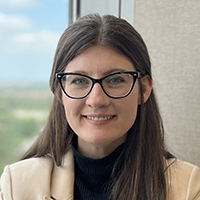
Krista Hollis, assistant archivist,
Margaret McKee, director of research resources, and
Caroline Philippone, senior collections photographer, The Menil Collection
Abstract: Cultural heritage photographers often manage imaging file storage due to limited budgets and IT support, but escalating storage demands make this approach unsustainable without a structured records retention process. This session explores archival strategies as a framework for effective data management. Krista M. Hollis and Margaret C. McKee will discuss the Menil Collection’s newly updated records retention program and emerging digital preservation strategy, and Caroline Philippone will present on their impact on file management decisions within the Collections Photography studio.
 Trust and Treasures: Expanding Access to Archival Collections from Historically Black Colleges and Universities (HBCUs), Andrea Jackson Gavin
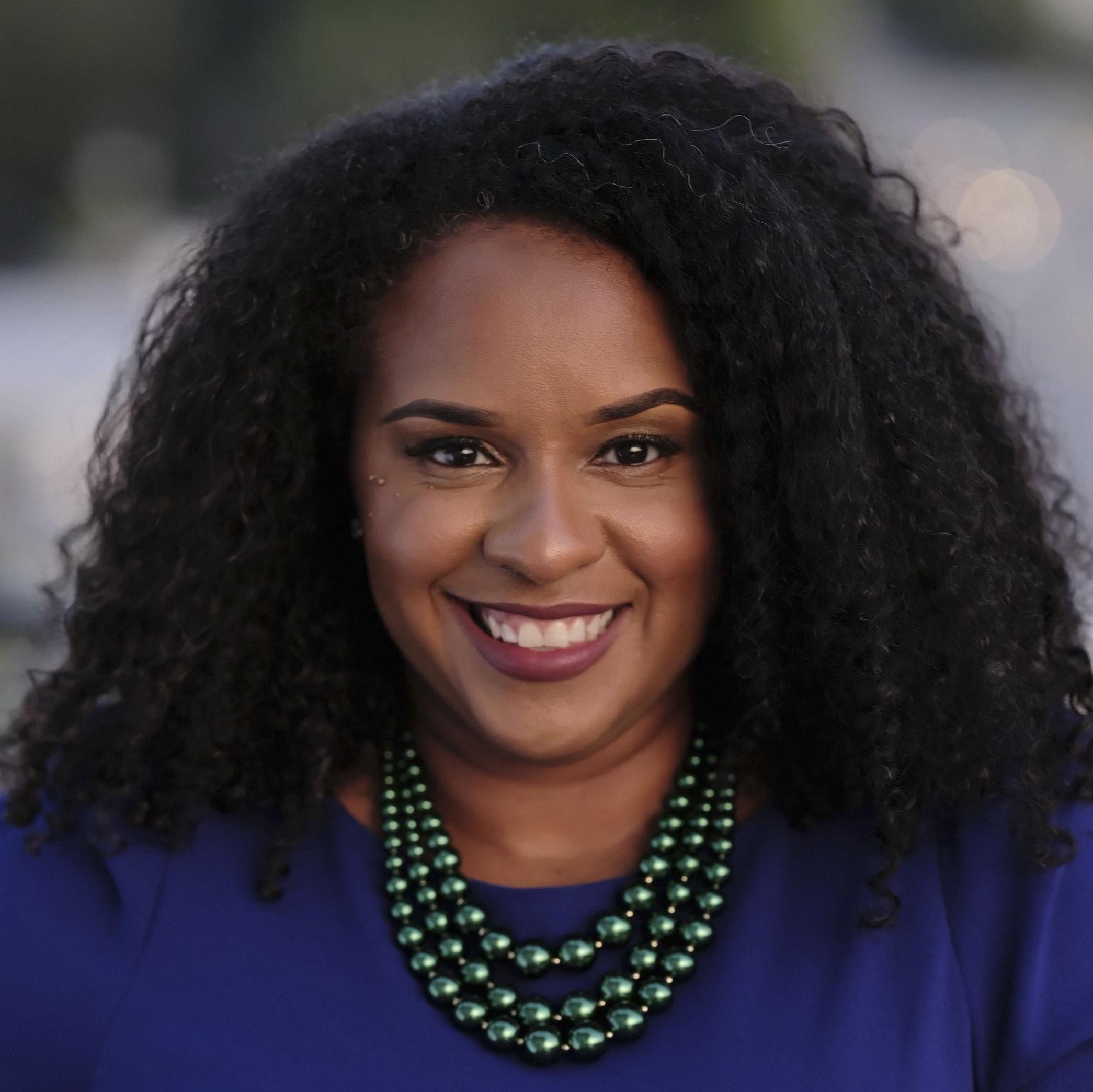
, program director, HBCU Digital Library Trust, Harvard Library and
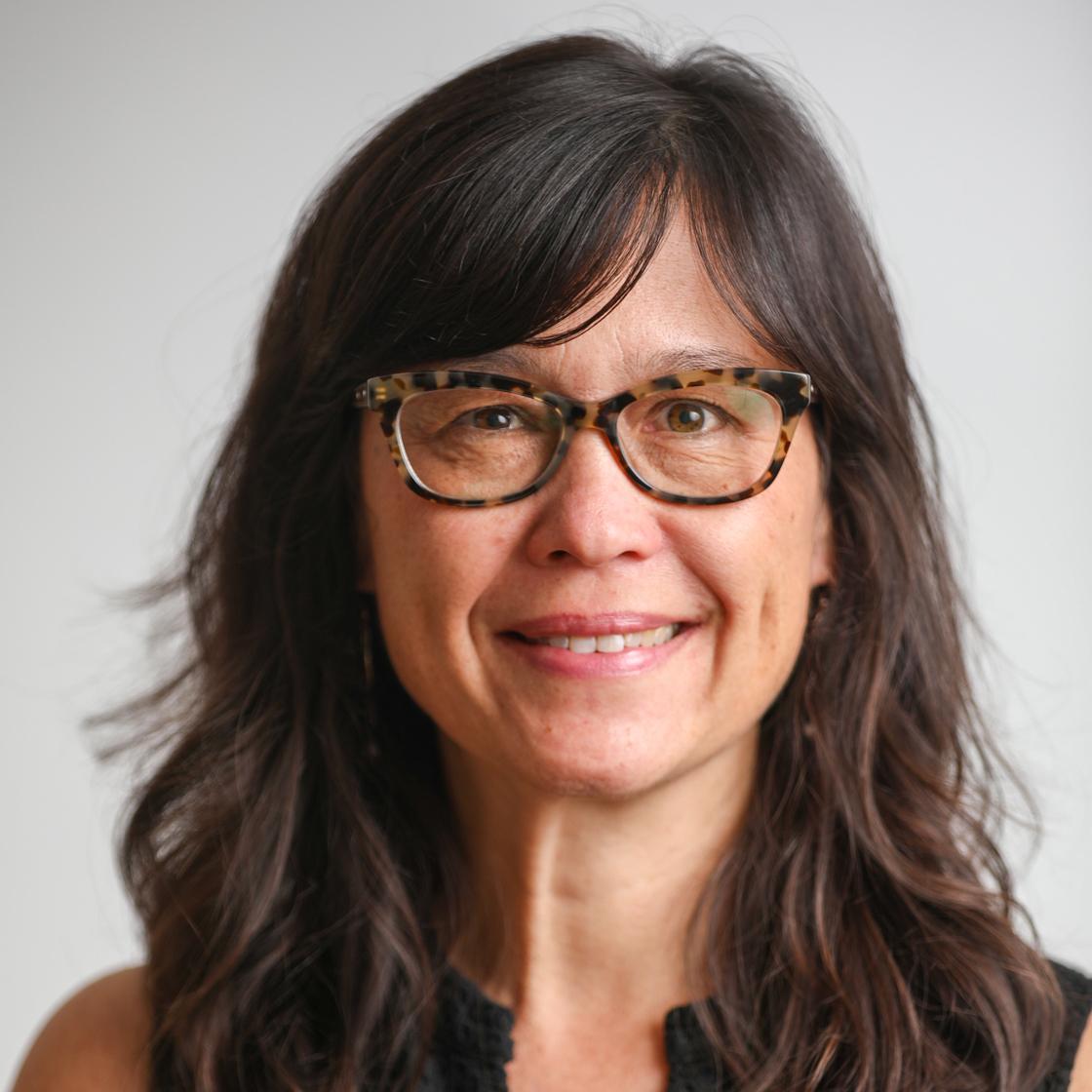
Christine Wiseman, assistant director, digital services, Atlanta University Center Robert W. Woodruff Library
Abstract: The HBCU Digital Library Trust highlights the rich archival collections and institutional histories of HBCUs by enhancing a digital repository and fostering a network of shared expertise. Representatives from the Trust – Harvard Library and the Atlanta University Center Woodruff Library – will discuss the collaborative strategies and technical approaches that are driving the growth of this leading digital resource for HBCU history.
Moderated Group Discussion with Presenters
THURSDAY 26 MARCH 10:00-15:30 New York time
Session 3: Transmissive Media: Considerations to Refine a Workflow
This session focuses on transmissive media image capture, discussing the tools, workflows, and considerations to understand that might differ from a standard reflective image capture. Presentations are given on case studies of complicated film projects, color management when working with color film types, how to navigate high volume projects, and tools, tips and tricks to improve existing workflows.
CONFIRMED SPEAKERS AND TOPICS (additional speakers/topics added as confirmed)
10:00 - 10:05
10:05 – 10:35
 How ISO TC42 Helps to Solve Problems Digitizing Transparent Originals, Dietmar Wueller
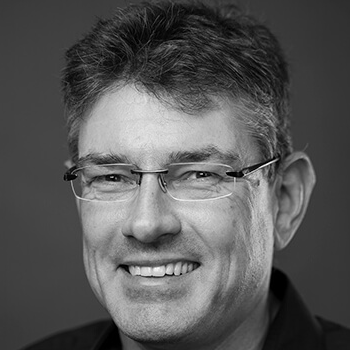
, CEO, Image Engineering
Abstract: Digitizing transparent originals presents a greater challenge than reflective originals due to the variety of originals in terms of type, size and material. A variety of original materials can be expected, encompassing colour and black and white, available as negatives and positives. The range of sizes extends from Minox film through 35 mm film, 6 x 6 cm originals, all the way to glass negatives measuring 50 x 60 cm. The range of materials includes daguerreotypes, Autochrome materials, Kodachrome, E6 type slides, and more. It is imperative to address the varying spatial resolutions and dynamic ranges of these originals when selecting the digitisation system and its configuration. The presentation will provide a comprehensive overview of the two documents currently under development. It will also offer a detailed comparison of the requirements with those for the reflective originals.
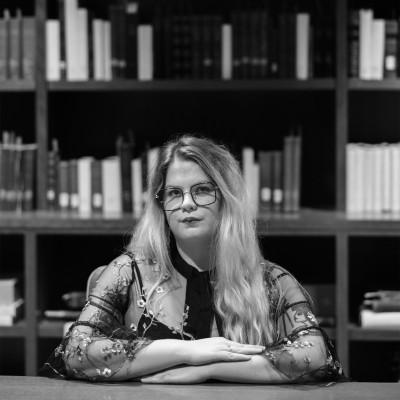 Building Resilience: Adaptive Digitization Workflows for Transmissive Media, Reba Jenson
, digitization specialist, Nasher Sculpture Center Archives Digitization Project
Abstract: One of the greatest challenges of digitization is not only time, but also inconsistency. This presentation outlines building the foundation of a sturdy yet flexible digitization workflow for transmissive media, emphasizing the necessary balance between efficiency and adaptability to diverse collection characteristics and varying project scales. Along with tools, tips, and tricks when developing a workflow, it explores strategies for future-proofing these processes, including the creation of comprehensive documentation and training protocols to mitigate the impact of workspace changes and staff turnover, ensuring consistency and long-term quality control in archival imaging.
11:05 – 11:35
Break
11:35 – 12:05
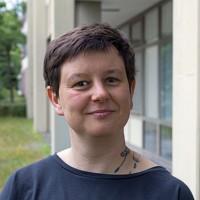 Reactivating the Medical Teaching Film Collection, Carolin Pommert
, head of library & collection medical humanities, Charité - Universitätsmedizin Berlin, Institut für Geschichte der Medizin und Ethik in der Medizin
Abstract: For many years, the Medical Humanities Collection of the Institute for the History of Medicine and Ethics in Medicine at Charité – Universitätsmedizin Berlin has preserved the film collection of the Charité Film Studio. The collection comprises approximately2,000 film reels, along with associated production files and supplementary materials dating from the 1950s to 1990. Only through film restoration expertise can this collection be systematically catalogued and made accessible to research, and the general public. The film reels encompass a wide range of materials and formats, including black-and white and color film, 16 mm and 35 mm formats, as well as archival copies, raw footage, and test strips. As the films were stored under inadequate conservation conditions for several years, the physical condition of some reels is less than optimal. With funding from the German Research Foundation (DFG), a workflow for cataloguing the collection is currently being tested, and guidelines for accessibility are being developed.
 Advanced Approaches to Digitizing and Interpreting Historical Photographic Materials, Ottar A.B. Anderson
, head of photography, Interkommunalt arkiv for Møre og Romsdal, and
Giorgio Trumpy, associate professor, Norwegian University of Science and Technology (NTNU)
Abstract:This talk addresses advanced approaches to digitizing and interpreting historical photographic materials, with attention to the challenges of accurately representing color processes and documenting the decisions involved. Topics may include strategies for inverting negatives, considerations for early color technologies, and ways to communicate technical choices through clear metadata. Overall, the presentation aims to support more faithful digital renderings and more interoperable documentation across heritage institutions.
12:35 – 1:05
Break
1:05 – 1:35
 Bringing the Daily Worker to the World: Making Every Frame Count, Michael Stasiak
, digital content manager, New York University
Abstract: In 2023, New York University Libraries received a grant from the National Historical Publications and Records Commission to digitize and publish its holdings of photographic negatives produced from 1930 to 2006 for the Daily Worker
and its successor, the Daily People's World
—the newspapers of the Communist Party, USA (CPUSA). The papers' coverage regularly included major union strikes and political rallies, civil rights marches, labor parades, and slice-of-life photojournalism of working-class people. In close collaboration with NYU Special Collections and the Barbara Goldsmith Preservation & Conservation Department, the digitization lab successfully photographed, uploaded and published 185,0000 newly accessible images. Considerations and challenges included varying degrees of cellulose acetate degradation and vinegar syndrome, a bifurcated workflow between in-house and vended digitization, odd negative dimensions due to shrinkage, and a midstream network storage migration. This presentation aims to move the listener through the workflow, from image inspection to digitization, editing, and how the images are presented via the finding aid.
1:35 – 2:05
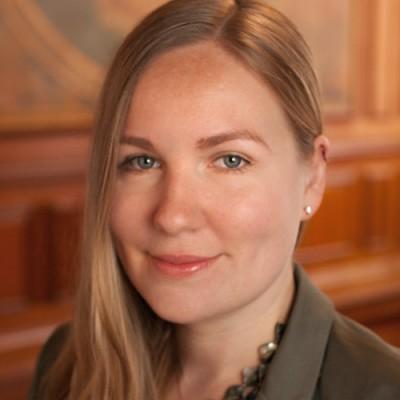 Digitizing Color Negatives–Workflows, Techniques, Considerations & Lessons Learned, Rachael Johns
, digital imaging specialist, University of Illinois at Urbana-Champaign
Abstract: Digital representations of color photographs created from analog color negatives offer room for subjectivity and interpretation–experimentation and conversation. This talk shares our workflows for capturing and post processing color negatives, with color management comparisons in Capture One CH and Lightroom Classic. Discussion covers considerations on faithful representation that informed our decision to retain the raw files in our institutional repository, and lessons learned for future projects. This work focused on digitizing a collection of photographic materials from the Gwendolyn Brooks Collection held at the Rare Books and Manuscript Library at the University of Illinois at Urbana-Champaign as part of a grant funded project with the Save America's Treasure Grant from the Institute of Museum and Library Services (IMLS).
2:05 – 3:05
Moderated Group Discussion with Presenters
TUESDAY 21 APRIL 10:00-15:30 New York time
Session 4: Case Studies: Digitizing Complex Materials
Every project has something new to teach us, especially when working with unique materials like tapestries, 3-D objects, or oversize materials. Our final session highlights some of these unusual digitization projects. Speakers share their insights into workflow development, surprising challenges, and problem-solving strategies used to navigate such complex projects.
CONFIRMED SPEAKERS AND TOPICS (additional speakers/topics added as confirmed)
10:00 - 10:05
10:05 – 10:35

 Photogrammetry of the Kneeling Attendant Bodhisattva at the Harvard Art Museums, Adam Kellie
 and
EV Krebs, specialized imaging technicians, Harvard University Libraries
Abstract: In the summer of 2024, Harvard Library Imaging Services worked with Harvard Art Museums colleagues to produce a 3D model of the Kneeling Attendant Bodhisattva, an unfired clay and wood sculpture in the Museum's collection. This presentation covers our preparations, workflow, and delivery for this complex photogrammetry project, and highlight the cross-departmental collaboration that brought everything together.
10:35 – 11:05
 Expanding FADGI—Enhancing Gold in Medieval Illuminated Manuscripts Using Reflected Light,
 Janny Chiu, senior photographer, and
Reagan Ellis, assistant photographer, Morgan Library
Abstract: Managing reflections is a challenge for every photographer, but at The Morgan Library and Museum, reflecting light instead of reducing reflections is often necessary. In order to actually illuminate the gold present in many illuminated Medieval manuscripts, both our lighting toolset and our imaging standards have expanded outside of FADGI compliance. In this presentation, we demonstrate lighting and processing workflows as shaped by our image applications and institutional priorities.
Break
11:35 – 12:05
 Precious Plates: Photographing Daguerreotypes and Cased Photographs, Tricia Zigmund
, senior advanced imaging specialist, National Gallery of Art
Abstract: This talk illustrates practical methods for photographing daguerreotypes, ambrotypes, tintypes, and other cased objects. With highly reflective surfaces and intricate detail, varied imaging methods will enhance these works and their unique materials. Attendees learn effective lighting strategies, studio considerations, and camera setups to produce high-quality image reproductions. The session also offers workflow tips for creating precise, reliable image assets suitable for conservation, research, and exhibition.
 Seeing Art in a Different Light, Kayla Kee
, advanced imaging specialist, National Gallery of Art
Abstract: This talk explores the use of specular and transmitted light when photographing cultural heritage objects. These lighting approaches can reveal important surface and material characteristics such as gilding, material sheen and canvas weave. When used it can make areas of loss, damage, or repair more visually apparent and in turn, record and provide valuable information for conservation work. Through a series of visual examples and case studies, this presentation demonstrates how targeted lighting choices can enrich understanding of material properties and imaging decision-making. Attendees gain knowledge into use cases for these lighting methods and gain insight on equipment selection and post processing.
Break
1:05 – 1:35
 Photographing Tapestries at the Gardner Museum, An In Depth Look at Capturing in Tiles, Amanda K. Guerra
, collection photographer, Isabella Stewart Gardner Museum
Abstract: In fall 2023, three tapestries from the Gardner Collection had a unique opportunity to receive new imaging to meet preservation standards and to offer a closer look at their magnificent detail. This presentation discusses the challenges of photographing large-scale textiles using a tiled capture method and shows how workflow testing and knowledge from earlier fiber-based projects shaped a material-responsive approach. The resulting process offers a refined strategy for producing high-quality images of tapestries and highlights how the project navigated these challenges by simply scaling up the basic copy-stand method and testing the limits.
1:35 – 2:05
 Photographing Made in Germany? Art and Identity in a Global Nation, Aaron Burleson
, associate collections photographer, Northeast Document Conservation Center
Abstract: Made in Germany? Art and Identity in a Global Nation was an exhibition by the Curatorial Division of Modern and Contemporary Art at Harvard Art Museums that addressed discourse around labor, immigration, and nationalism in the wake of World War II. Behind the exhibition title wall stood large-scale artworks consisting of aluminum panels, sculptures formed by cement, multiple television monitors, a sideways furnished living room, and a variety of photographs, paintings, and porcelain. This talk presents the goals, challenges, and outcomes of photographing the artworks in this exhibition. The areas that the photography highlighted were the range of materiality and the settings in which the artworks were displayed.
Moderated Group Discussion with Presenters